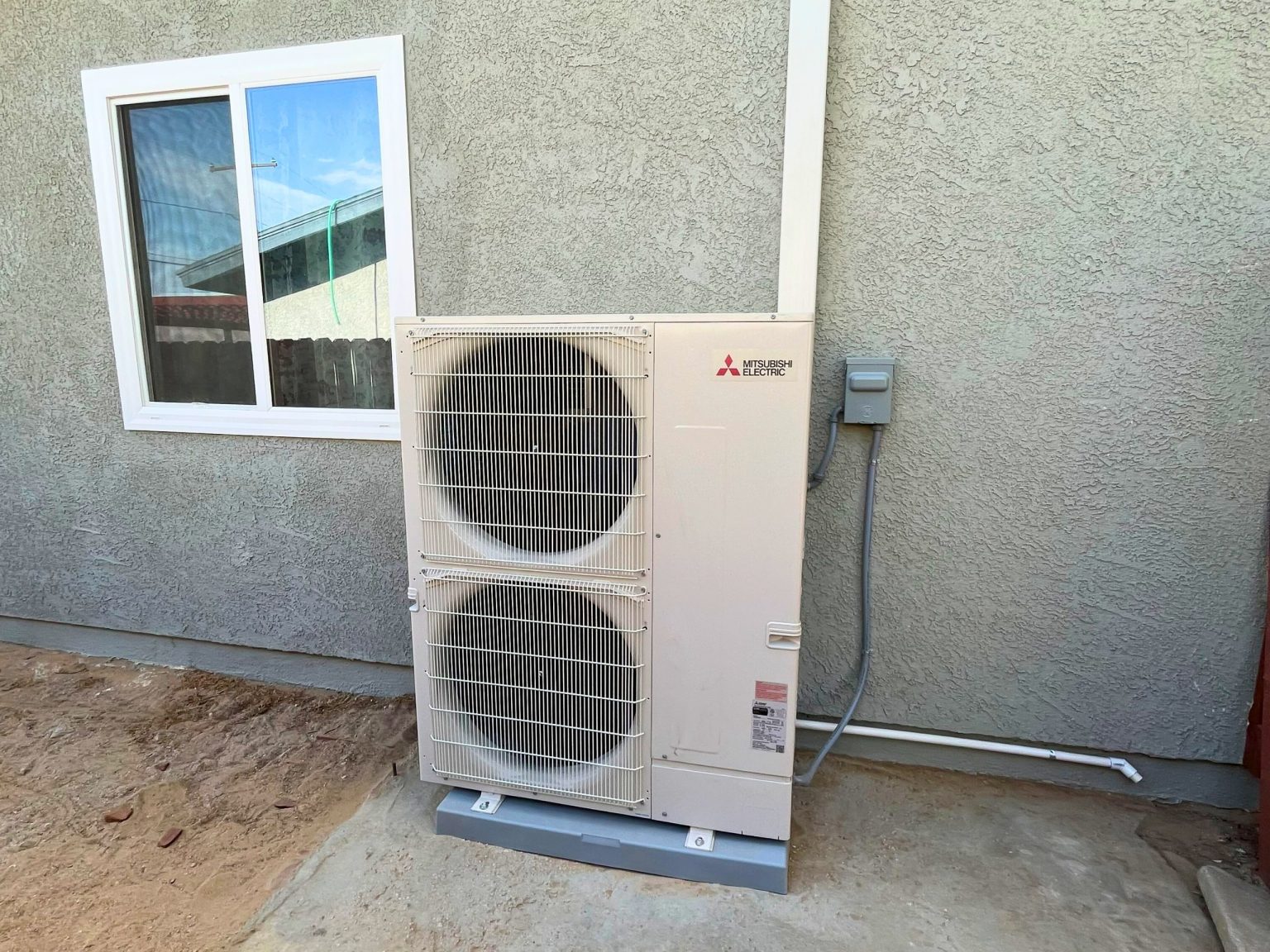
Heat pumps have revolutionized the way we heat and cool our homes, offering a sustainable and efficient solution. Understanding their efficiency ratings is key to making informed decisions and maximizing energy savings.
What is a Heat Pump?
A heat pump is a versatile system that can both heat and cool your home. It works by transferring heat from one place to another. In winter, it extracts heat from the outdoor air, even in cold temperatures, and transfers it indoors. In summer, it reverses the process, removing heat from your home and releasing it outdoors. HVAC Company
Key Efficiency Ratings for Heat Pumps
- Seasonal Energy Efficiency Ratio (SEER): This rating measures the cooling efficiency of a heat pump over an entire cooling season. A higher SEER rating indicates greater efficiency.
- Heating Seasonal Performance Factor (HSPF): This rating measures the heating efficiency of a heat pump over an entire heating season. A higher HSPF rating indicates greater efficiency.
- Coefficient of Performance (COP): This rating measures the efficiency of a heat pump at a specific temperature. A higher COP indicates better performance.
- Energy Efficiency Ratio (EER): This rating measures the cooling efficiency of a heat pump at a specific temperature, typically 95°F. A higher EER rating indicates better efficiency. AC Services Riverside
Factors Affecting Heat Pump Efficiency
- Climate: Heat pumps are more efficient in moderate climates. In extreme climates, their performance may be compromised.
- Installation Quality: Proper installation is crucial for optimal performance. A poorly installed heat pump may not operate efficiently. HVAC Services Riverside
- Maintenance: Regular maintenance, such as cleaning filters and inspecting refrigerant levels, can significantly improve efficiency.
- Technological Advancements: Modern heat pumps, equipped with variable-speed compressors and smart thermostats, offer enhanced efficiency and comfort.
Choosing the Right Heat Pump
When selecting a heat pump, consider the following factors:
- Efficiency Ratings: Prioritize models with high SEER, HSPF, COP, and EER ratings.
- Size and Capacity: Ensure the heat pump is appropriately sized for your home’s needs. AC Services Orange County
- Installation Costs: Factor in the cost of installation, including permits and labor.
- Operating Costs: Consider the potential energy savings from a high-efficiency heat pump. HVAC Services Orange County
- Manufacturer’s Warranty: A good warranty can provide peace of mind and protect your investment.
Maximizing Heat Pump Efficiency
To maximize the efficiency of your heat pump, follow these tips:
- Regular Maintenance: Schedule regular maintenance checks to keep your system running smoothly.
- Proper Thermostat Settings: Use programmable thermostats to optimize temperature settings and reduce energy consumption.
- Seal Air Leaks: Seal any air leaks in your home to prevent energy loss.
- Clean Filters Regularly: Clean or replace filters to ensure optimal airflow.
- Consider a Ductless Mini-Split System: For zoned cooling and heating, a ductless mini-split system can provide energy efficiency and flexibility.
By understanding heat pump efficiency ratings and following best practices, you can make informed decisions and enjoy the benefits of a comfortable, energy-efficient home.
 Interview Preparation